The tech landscape has shifted dramatically, and if you are building the ultimate dream rig this year, you are likely eyeing NVIDIA’s flagship GPU alongside next-generation connectivity. Finding the Best PCIe 6.0 motherboard for RTX 5090 setups is no longer just about future-proofing—it is about unlocking raw, unthrottled throughput.
With data transfer rates doubling compared to previous generations, pairing your high-end graphics card with the right foundation ensures zero bottlenecks. Let us dive into what makes these cutting-edge boards absolute monsters for modern power users.
Understanding the PCIe 6.0 Ecosystem and Your GPU
PCIe 6.0 represents a monumental leap forward in desktop computing architecture. By introducing PAM4 signaling, it doubles the bandwidth capabilities of PCIe 5.0, reaching staggering transfer rates that completely redefine how data moves between your components.
While the RTX 5090 pushes visual fidelity and heavy machine learning tasks to unprecedented heights, it demands an infrastructure that can feed its massive appetite for data. A true Best PCIe 6.0 motherboard for RTX 5090 candidate will feature reinforced slots, advanced signal integrity layers on the PCB, and robust power delivery systems to handle sustained, heavy loads without breaking a sweat.

Key Features to Look for in Next-Gen Flagship Boards
When shopping for a high-end motherboard designed to anchor a top-tier GPU, you cannot afford to cut corners. Manufacturers have packed these enthusiast-grade platforms with features specifically engineered for extreme performance and stability.
Here are the essential specs you need to inspect before pulling the trigger:
- Robust VRM Design: Look for 20+ phase power stages to deliver clean, stable voltage to your CPU during intense rendering or gaming sessions.
- Advanced Thermal Solutions: Massive aluminum heatsinks, integrated heatpipes, and dedicated M.2 cooling blocks are mandatory to keep temperatures in check.
- Next-Gen Connectivity: Beyond PCIe 6.0 for your graphics card, expect multiple Gen 5 or Gen 6 NVMe slots, Wi-Fi 7, and dual 10Gb Ethernet ports.
Maximizing Thermal and Power Management
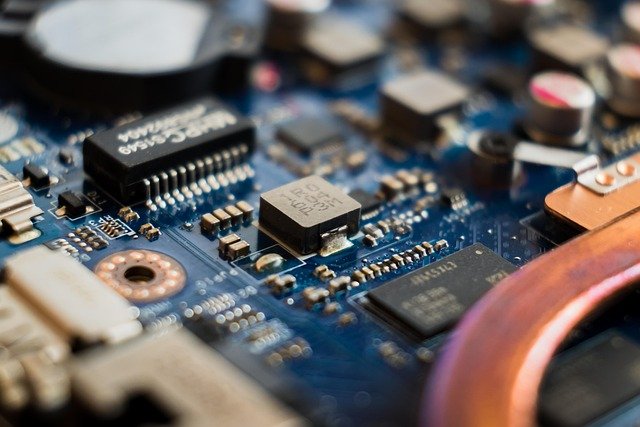
Power brings heat, and a system running a top-tier graphics card and an enthusiast processor generates plenty of it. High-end motherboards utilize multi-layered copper PCBs to dissipate thermal energy away from critical components like the CPU socket and primary PCIe lanes.
Furthermore, smart BIOS controls allow you to monitor lane integrity and manage power states dynamically. Investing in a proper chassis with high airflow ensures that your Best PCIe 6.0 motherboard for RTX 5090 maintains optimal operating temperatures, even during 4K ray-tracing marathons or heavy local AI model training.

Frequently Asked Questions (Q&A)
Do I really need a PCIe 6.0 motherboard for an RTX 5090?
While graphics cards are typically backward and forward compatible, utilizing a modern board ensures you get maximum bandwidth efficiency. It eliminates potential bottlenecks, especially if you are transferring massive datasets or utilizing advanced features that rely heavily on inter-component communication speeds.
Are PCIe 6.0 motherboards backward compatible with older components?
Yes, absolutely. PCIe standards are fully backward compatible. You can easily install older PCIe 4.0 or PCIe 3.0 graphics cards, capture cards, and NVMe SSDs into a new motherboard without any compatibility issues.
What power supply do I need for this kind of setup?
An enthusiast build featuring a flagship GPU and a next-generation motherboard requires a top-tier Power Supply Unit (PSU). Look for an ATX 3.1 compliant unit with native 12V-2×6 connectors, rated at 1200W or higher, to comfortably handle power spikes.
Tags: RTX 5090, PCIe 6.0 Motherboard, PC Hardware 2026, Gaming PC