The smart home landscape is evolving rapidly, and the arrival of the Matter 1.4 protocol brings a massive upgrade for homeowners looking to take control of their power consumption. If you are trying to cut down on monthly utility bills, understanding how to leverage a Matter 1.4 energy management dashboard compatible hub is essential. This latest iteration of the universal smart home standard introduces native support for solar arrays, home battery storage systems, and advanced multi-device energy reporting.
Why Matter 1.4 Changes the Game for Home Power Tracking
Previous iterations of the Matter protocol focused heavily on interoperability between basic lighting, locks, and thermostats. Matter 1.4 goes a step further by standardizing how energy-producing and energy-storing devices communicate with your primary smart home controller. Instead of juggling five different proprietary apps for your EV charger, solar inverter, and smart plugs, you can now aggregate everything into a single, cohesive interface.
Using a Matter 1.4 energy management dashboard compatible hub ensures that your hardware speaks a universal language. This cross-brand compatibility prevents vendor lock-in, meaning your Samsung, Apple, Google, and Amazon ecosystems can finally share real-time telemetry data without cloud-to-cloud latency bottlenecks.
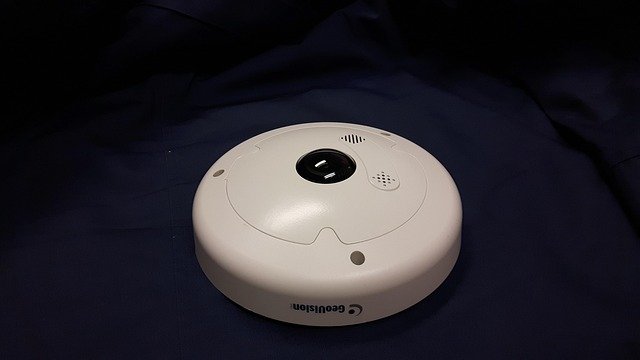
Top Features to Look For in a Next-Gen Smart Hub
When shopping for a controller that supports these advanced power-monitoring capabilities, you need to look beyond basic thread border router functionality. True energy management requires robust local processing power and an intuitive user interface that can display historical usage charts, peak-hour pricing warnings, and automated load-shedding routines.
Key specifications to prioritize include:
- Local Data Processing: Ensure the hub processes energy telemetry locally to maintain privacy and responsiveness even during internet outages.
- Advanced Dashboard Customization: Look for hubs that allow you to build custom widgets tracking solar production versus grid consumption.
- Thread and Zigbee Integration: A future-proof hub needs native support for low-power mesh networks to connect thousands of smart circuit breakers and appliance monitors.

How to Integrate Your Devices for Maximum Savings
Setting up your automated power ecosystem requires a strategic approach. Once you have acquired your Matter 1.4 energy management dashboard compatible hub, start by mapping out your highest-draw appliances. Connect your heat pumps, water heaters, and electric vehicle chargers to Matter-certified smart plugs or sub-metering modules.
Next, configure your hub’s automation engine to shift heavy energy loads to off-peak hours. For instance, you can program your washing machine or EV charger to boot up exclusively when your solar panels are generating a surplus, or when local utility rates hit their daily minimum. This direct integration transforms a passive smart home into an active, cost-saving power plant.

Frequently Asked Questions (Q&A)
Do I need to replace my existing smart plugs to use Matter 1.4 energy dashboards?
Not necessarily. While older devices may not support the advanced energy telemetry features of Matter 1.4 natively, many manufacturers are rolling out firmware updates. However, to get real-time, high-precision power reporting, upgrading to certified Matter 1.4 end-devices is recommended.
Can existing smart hubs be upgraded to Matter 1.4?
Many major smart home manufacturers are pushing over-the-air (OTA) updates to bring current-generation hubs up to the Matter 1.4 specification, provided their internal hardware—specifically the Thread radio chips—meets the necessary requirements. Always check with your specific hub manufacturer for their official rollout roadmap.
Tags: Matter 1.4, Smart Home, Energy Management, Smart Hubs