If you recently upgraded your desktop rig to a blazing-fast Gen5 storage drive, you probably noticed incredible data transfer rates. However, there is a major catch. These cutting-edge drives generate an immense amount of heat. Without the right mitigation steps, you will quickly run into performance drops.
When temperatures skyrocket, your drive protects itself by dialing back its speed. Finding a reliable PCIe 5.0 SSD thermal throttling fix desktop enthusiasts can trust is essential to maintaining sustained read and write performance during heavy workloads or gaming sessions.
1. Upgrading to Active Heatsinks and Dedicated Cooling
The tiny metal heatspreaders that come bundled with some motherboards are often not enough to handle the sheer thermal output of a Gen5 drive. Because these controllers push past 70°C and rapidly head toward dangerous territory, passive cooling simply cuts it short.
To implement an effective PCIe 5.0 SSD thermal throttling fix desktop setups require, you should look into dedicated active coolers. These specialized aftermarket heatsinks feature built-in micro-fans or direct-touch heat pipes designed specifically to pull thermal energy away from the controller and NAND flash chips.
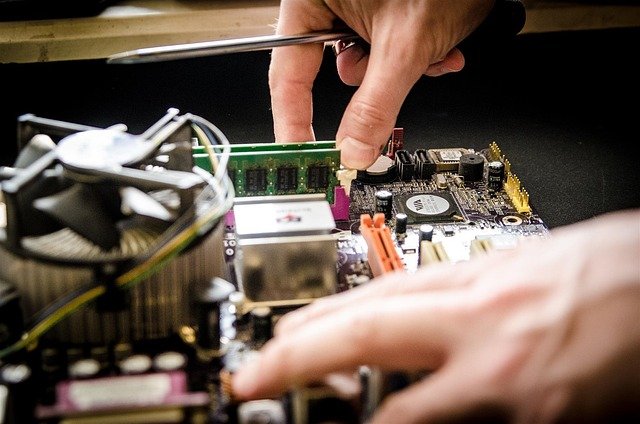
2. Optimizing Motherboard M.2 Placement and Airflow
Where you place your storage matters just as much as what is cooling it. Many modern motherboards feature multiple M.2 slots, but the topmost slot—usually wired directly to the CPU—is the most common culprit for heat buildup because it sits right beneath the exhaust zone of your graphics card.
Managing your case airflow is a critical component of any PCIe 5.0 SSD thermal throttling fix desktop strategy. Ensure that your intake fans are pushing fresh air across the lower half of your board, and consider adjusting your GPU fan curve slightly to prevent hot air from washing directly over your primary storage drive.

3. Applying High-Performance Thermal Pads
Sometimes the fix is as simple as improving the microscopic contact points between your drive and its heatsink. Factory-installed thermal pads can vary wildly in quality, and if they fail to make 100% flush contact, heat pockets will form instantly.
Replacing stock pads with high-conductivity aftermarket options—or utilizing thin layers of premium phase-change thermal material—ensures maximum heat transfer. This small tweak completes your PCIe 5.0 SSD thermal throttling fix desktop routine, keeping temperatures safely below the throttling threshold.

Frequently Asked Questions (Q&A)
What temperature is considered too high for a PCIe 5.0 SSD?
Most Gen5 drives begin to thermally throttle around 80°C to 85°C. For optimal longevity and sustained performance, you want to keep your drive operating below 65°C under heavy load.
Do I need liquid cooling for a PCIe 5.0 SSD?
While custom liquid cooling loops with dedicated M.2 water blocks exist, they are generally overkill. A high-quality active air-cooled heatsink with a dedicated fan is usually more than enough to solve throttling issues on a desktop.
Can thermal throttling permanently damage my SSD?
No, thermal throttling is a built-in safety feature designed to prevent permanent damage by lowering the drive’s operating frequency when it gets too hot. However, running at high temperatures constantly can degrade overall component lifespan.
Tags: PCIe 5.0 SSD, thermal throttling, PC hardware, desktop upgrade